Juniper’s Weight Medication Landing Page experiment
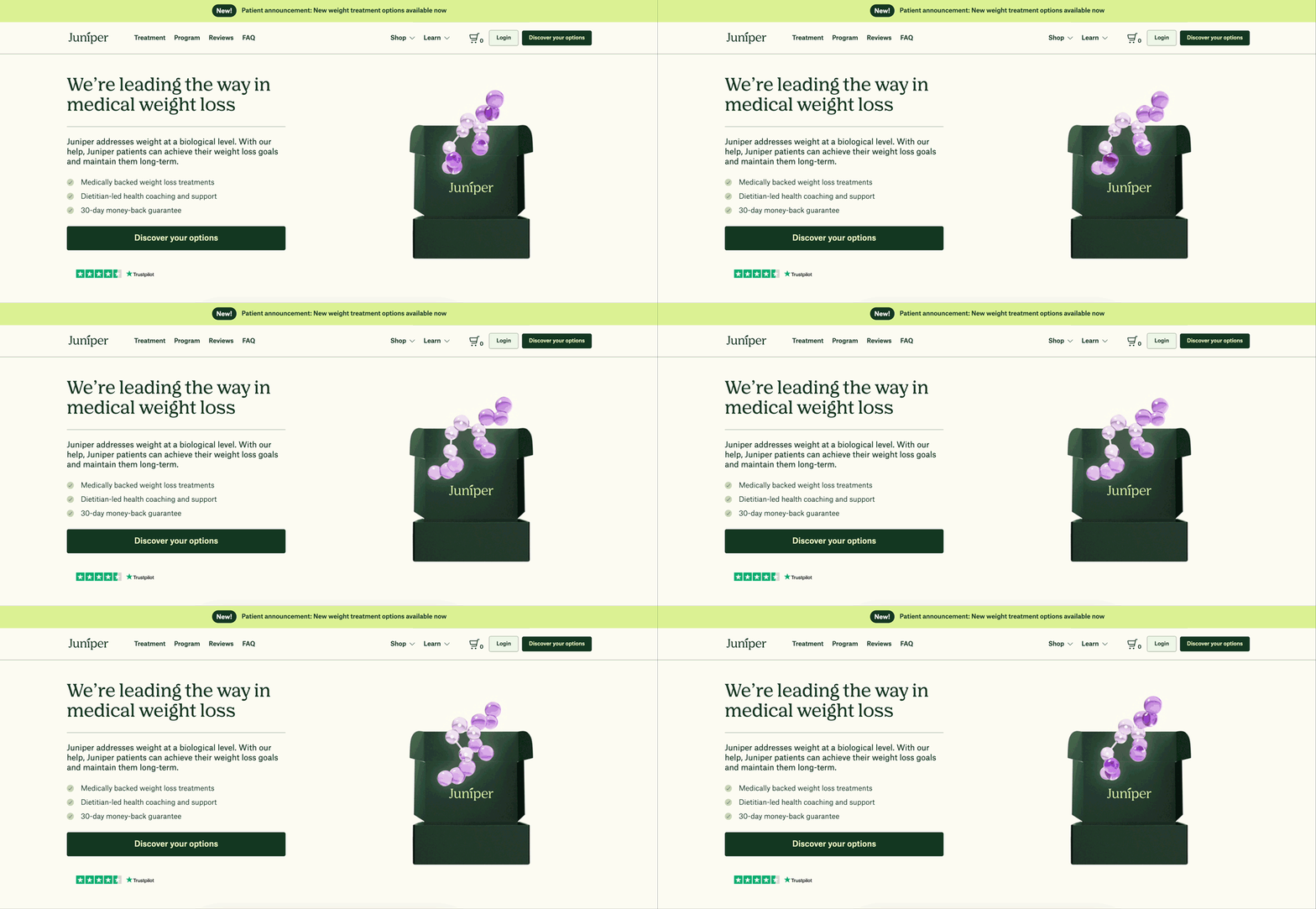
The Juniper Weight Medication Landing Page is one of the top-performing pages in terms of conversions. However, we identified that certain areas, particularly the middle sections, could be refined to improve engagement and reduce drop-offs, especially on mobile. Our challenge was to enhance user engagement and conversions (quiz start) while maintaining the page’s core strengths.
The Goal
Our goal was to increase the conversion rate on the Weight Medication Landing Page by making it more engaging and user-friendly, particularly in areas where drop-offs were observed.
Hypothesis
A redesigned variant of the landing page featuring new panels, simplified copy, and clearer visuals would lead to higher user engagement and improved conversions by:
Offering more context and support to users
Improving clarity through cleaner visuals and copy
User research
We conducted informal user interviews within the company to gauge how existing users interacted with the page and understand what information they valued most. Users indicated they appreciated straightforward, concise messaging and visuals but sometimes felt overwhelmed by dense content in the middle of the page.
Here are a few notes we got from our colleagues outside the Juniper team:
Why is it effective?
3 high-level pieces of information; Trust, program inclusions and evidence (B&As) is crucial for the first three panels of the landing page
TrustPilot widget is shown before the visuals (in the hero section)
Holistic and approachable
Social proofing, program included and worked with other people
Elements to improve:
[Take the quiz] feels broad, have to go through obstacles before a patient gets an answer, and unsure if she’s eligible for the program
Video is most likely not to click or watch, feels too long and no context on what the video is about
Length of page, regular people won’t scroll up to the bottom part of the page
Instead of showing the actual Juniper boxes, replace it with the brown box as discretion is a big thing
‘Medically backed treatment’ is repeated in the hero section; can be replaced with a different one.
Put Trustpilot reviews on the upper part of the LP, can combine with B&As = would encourage people to convert
Competitor Analysis
Looking at competitors, we noticed:
Easy-to-follow CTAs that guided users step by step and a shorter quiz for eligibility.
Simple, clean designs with fewer distractions.
Content split into smaller, easy-to-read sections instead of overwhelming users with too much at once.
These findings helped us improve our CTAs and organize content to make it clearer and easier to navigate.
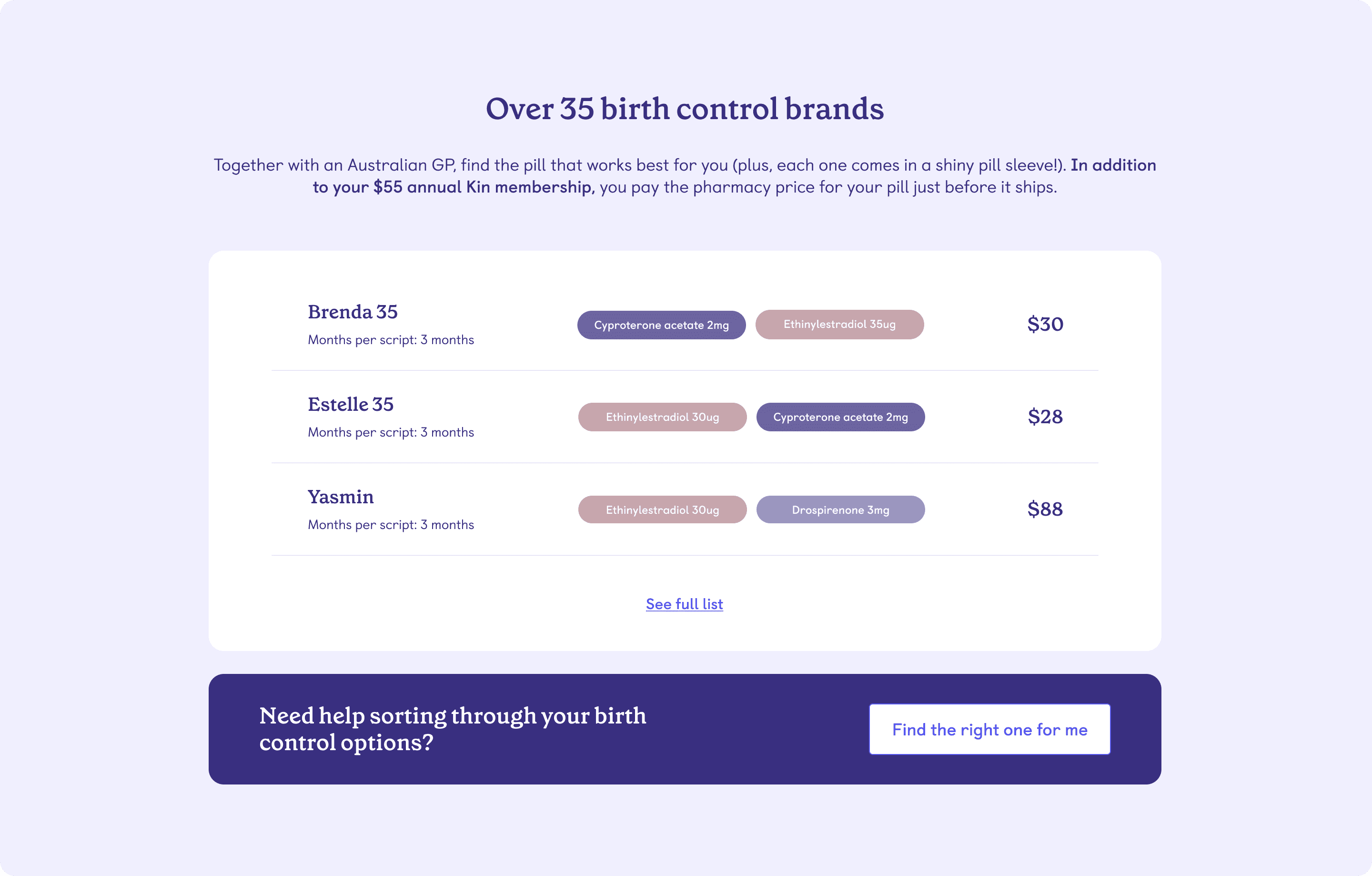
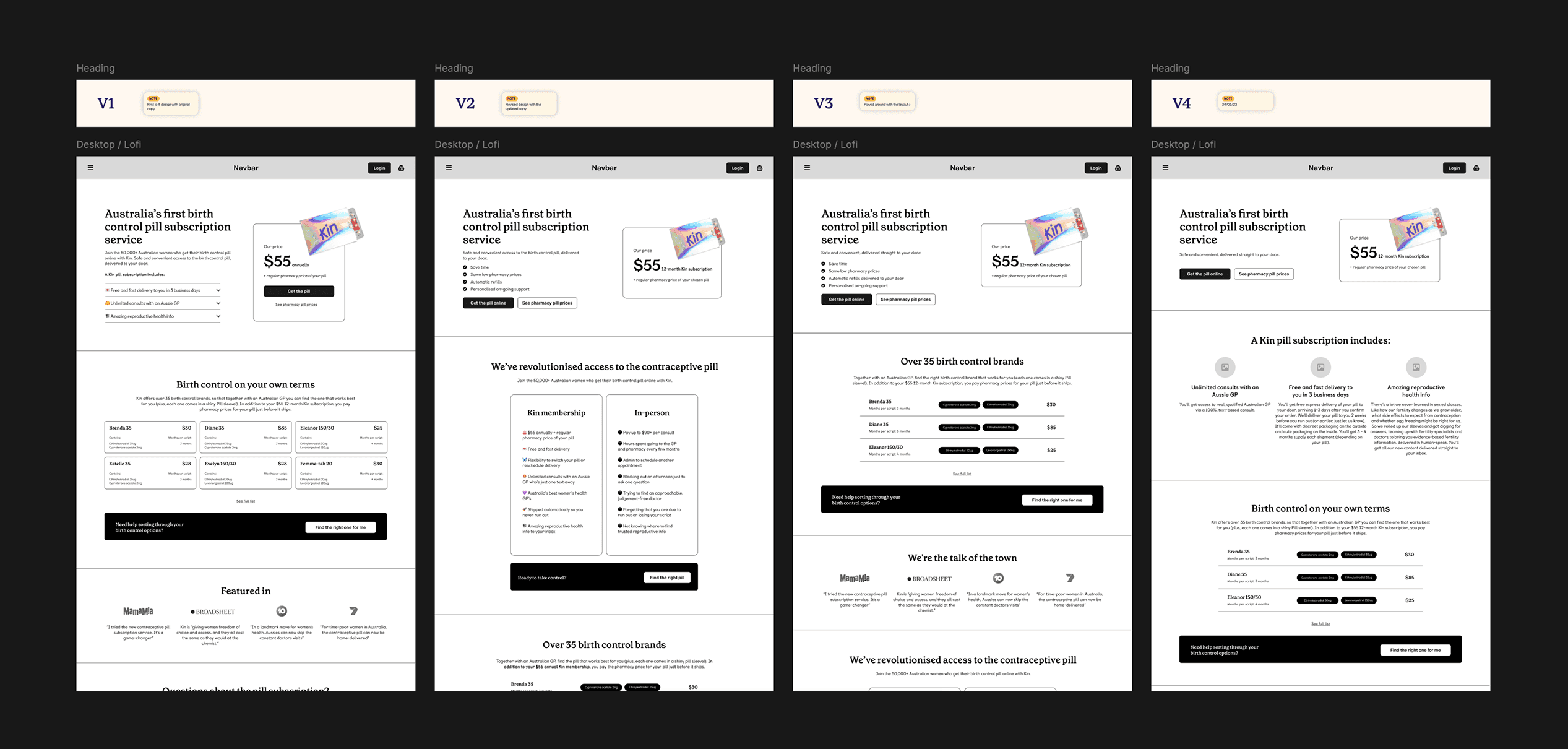
Emphasis on the comparison table section
The previous design didn’t have comparison table between clinic visits and Kin. It highlights key advantages, such as cost savings and convenience, making it a powerful tool for increasing conversions
We included and highlighted "50,000 Australian Women" in the design. This phrase performed well in one of our Meta ads and adds credibility to the brand, so the team decided to use the exact wording.


Results
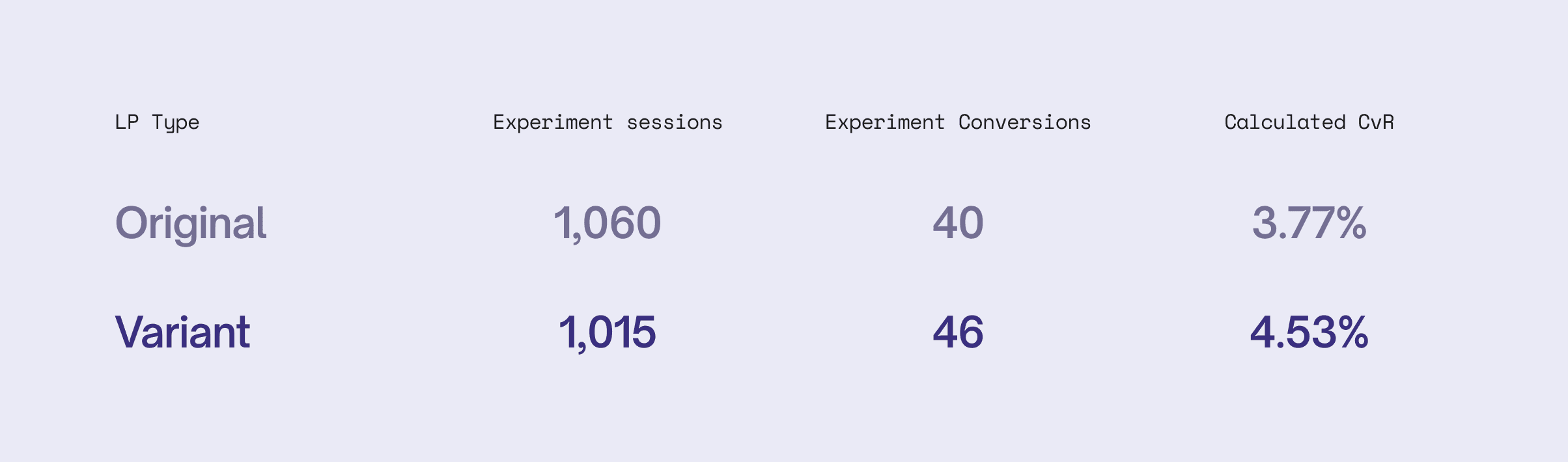
Initially, the old layout outperformed the new design because one of the new buttons had a broken link. However, after fixing the issue and giving it another chance, the new design led to a 20% higher conversion rate than the original!
Learnings
One important lesson I learned is that sometimes a design needs time to show its full potential. As our head of creative said, “It needs to fail first before it can perform well.”
The hero section of each landing page is the most important part, so it’s essential to include key information there.
Continuous testing, refining, and revisiting designs, even after initial setbacks, can unlock greater performance gains and lead to a more effective final product.